Restricted access: materials on this site are intended only for users who are 18 years of age or older.

PlayCanada-Now

A comprehensive informational space focused on fictional draw formats, neutral system descriptions, and structured conceptual play mechanics. Built for Canadian audiences seeking expanded, descriptive, and long-form explanations across diverse entertainment concepts.

All formats on this platform are fully conceptual and intended for informational or recreational reading only. No real participation, transactions, or operational services are offered.

Expanded Knowledge Base

Neutral, detailed, and structured.
  • Extended descriptions of conceptual entertainment systems.
  • Long-form neutral text optimized for structured indexing.
  • Detailed multi-section explanations of fictional formats.
  • Focus on clarity, readability, and informational structure.
  • Manuals describing system logic and conceptual operations.

Conceptual Lotto & Draw Systems

Presented below are three newly developed conceptual lotto frameworks. Each one illustrates a unique structural method for educational and informational purposes only.

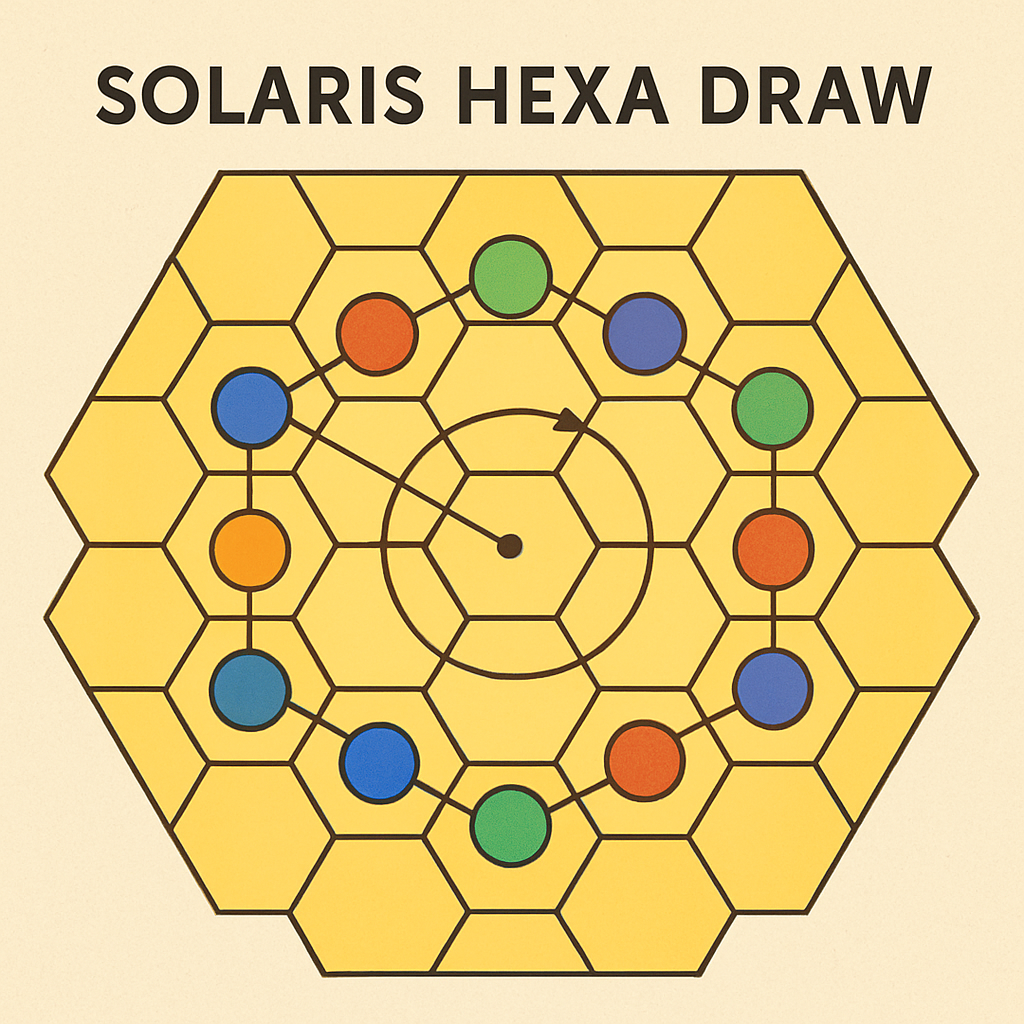
Solaris Hexa Draw Image

A hexagonal-grid draw structure inspired by solar arc patterns. Tokens are arranged in interconnected hex cells, and the draw sequence follows rotational sweeps across the grid. This model demonstrates geometric selection flows and multi-directional sampling.

  • Hex-cell probability distribution
  • Rotational sweep mechanics
  • Geometric mapping of selected results

Conceptual format only, without any transactional features.

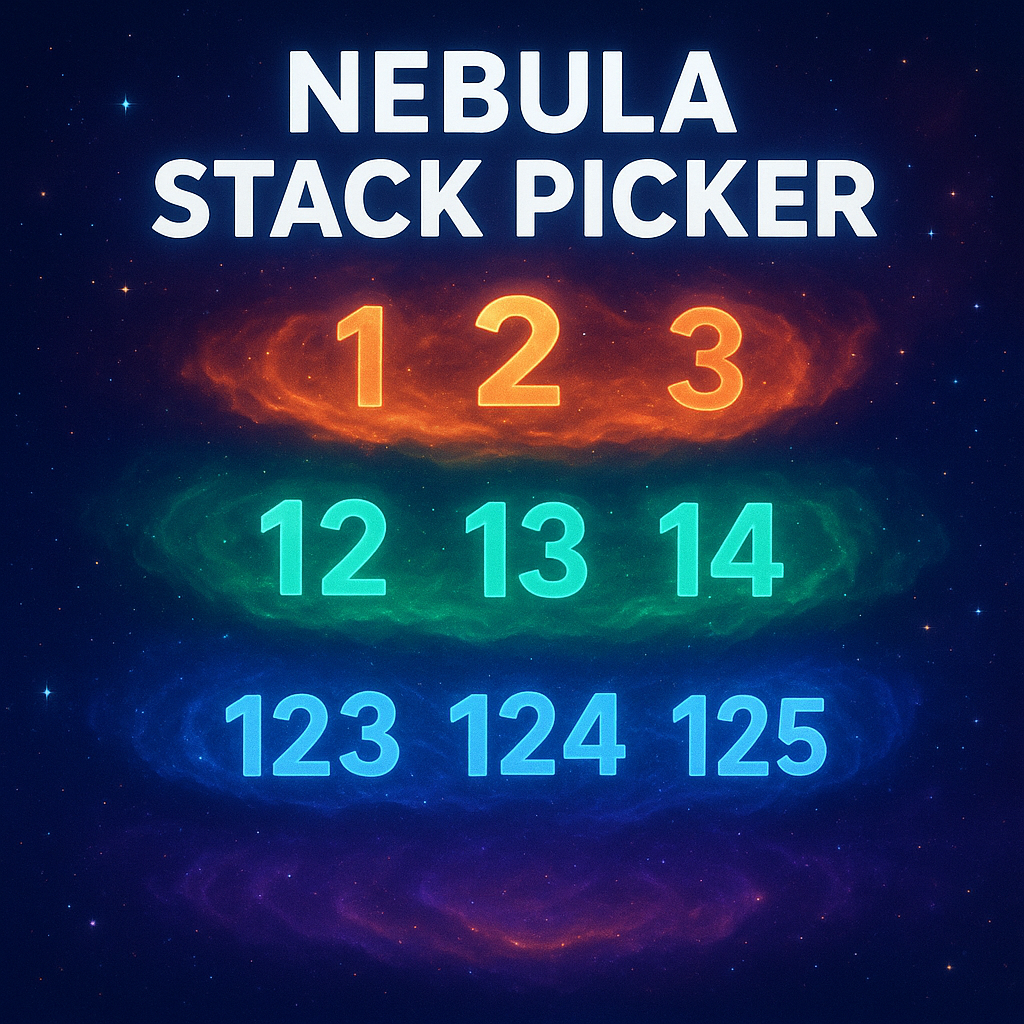
Nebula Stack Picker Image

A layered “stack” concept where number groups float like nebula layers. Each draw selects a layer first, then a sub-cluster, followed by an individual token. This structure highlights vertical sampling logic and depth-based probability visuals.

  1. Layer → sub-cluster → token selection
  2. Depth-indexed probability distribution
  3. Nebula-style cluster visualization

Neutral educational example only.

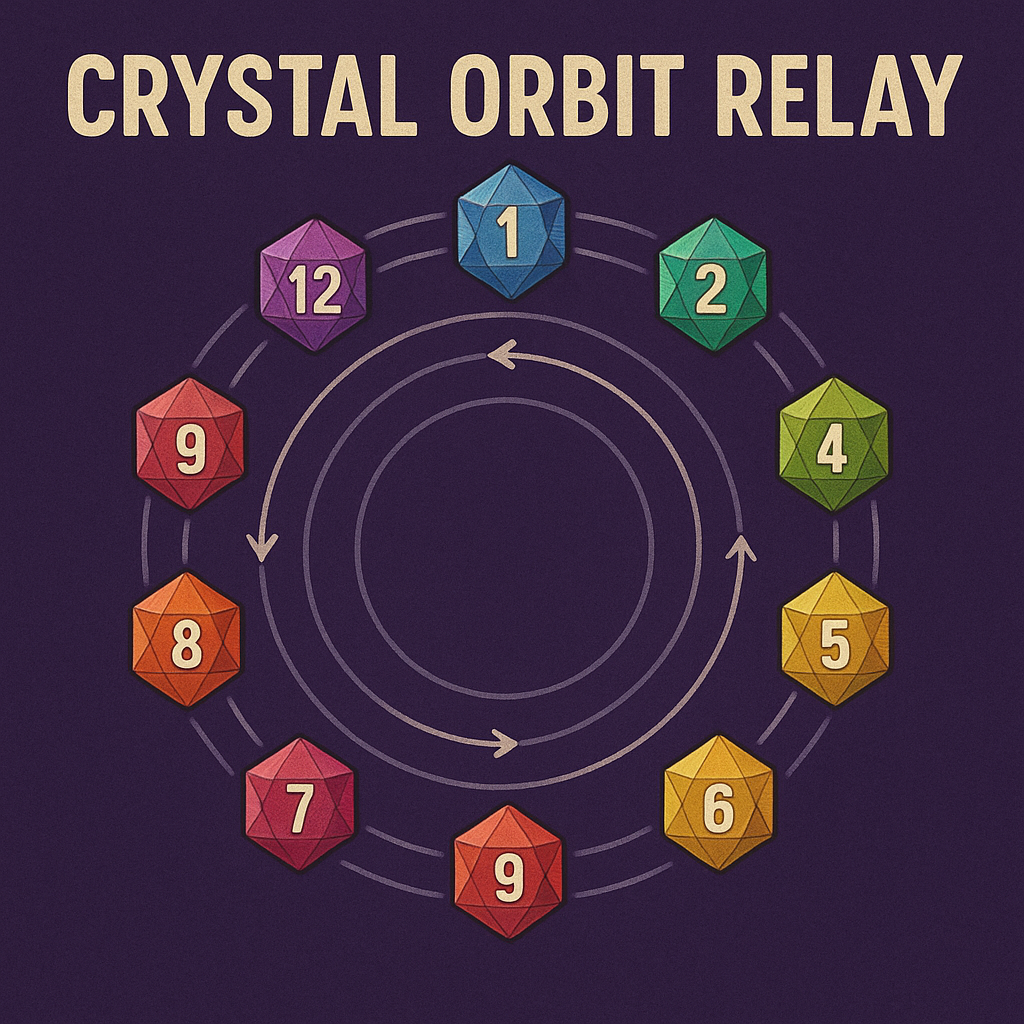
Crystal Orbit Relay Image

A circular orbit-style draw sequence where numbered “crystal nodes” rotate in multiple rings. Each draw triggers a relay between rings, selecting nodes according to orbital paths. This approach demonstrates momentum-based sequencing and rotational fairness.

  • Multi-ring orbital mechanics
  • Relay-style cross-ring movement
  • Visualized rotational selection patterns

Illustrative structure only; non-commercial educational content.

Game Manuals & Structural Overviews

This section provides extended manuals for each conceptual draw format. All content is informational, neutral, and created for analytical or educational reading.

Solaris Hexa Draw

A hexagonal-grid draw system influenced by solar arc geometry. Tokens occupy connected hex cells, and selection moves through patterned rotational sweeps that model multi-directional sampling pathways.

Core Mechanics
  • Hex-cell probability distribution
  • Rotational sweep mechanics
  • Geometric mapping of draw results
Extended Manual Insights

Rotational paths simulate shifting alignment patterns, allowing observers to track flow direction, segment frequency, and grid balance. This model is suitable for demonstrating symmetry, weighted traversal, and structured number movement across a geometric field.

Conceptual and non-transactional.

Nebula Stack Picker

A multi-layered structure where number groups appear as floating nebula-like stacks. The draw moves vertically through these clusters, selecting layer, sub-cluster, and token in a cascading descent pattern.

Core Mechanics
  • Layer → sub-cluster → token selection
  • Depth-indexed probability distribution
  • Nebula-inspired cluster visualization
Extended Manual Insights

Each layer holds its own density, visibility, and weighting. Lower layers may include higher variability or dispersion. This format demonstrates vertical sampling logic, depth prioritization, and structured descent sequencing across stacked elements.

Neutral educational material only.

Crystal Orbit Relay

A circular relay-based selection system where crystal-like nodes rotate along multiple orbit rings. Draws trigger relays that shift selection between rings using momentum-based alignment.

Core Mechanics
  • Multi-ring orbital mechanics
  • Relay-style cross-ring movement
  • Rotational pattern visualization
Extended Manual Insights

Each orbit rotates at independently defined intervals. When rings align, a relay triggers, shifting the active selection path. This highlights cyclic sequencing, radial symmetry, timing-based progression, and rotational variance across multiple orbital lanes.

Informational conceptual illustration only.

FAQ — Common Questions

Below are structured and neutral answers to frequently asked questions about the conceptual lotto systems presented on this site. All information is educational and non-transactional.

Each concept uses a different structural model—hexagonal grids, layered stacks, or orbital sequencing—to demonstrate alternative ways a draw mechanism can function. The intent is to showcase structural logic, probability flow, and visualization styles.

  • Neutral and educational explanation of draw structures
  • Illustrative mechanics without any real-world transactional function
  • Focus on geometry, grouping, or sequencing logic

For informational purposes only.

The concepts described are structural and illustrative only. They can be implemented interactively, but the examples provided here focus on explaining mechanics, flow, and visualization options.

  1. Mechanics demonstrated conceptually
  2. No real-world wagering functionality
  3. Visual and structural examples only

Educational model only.

The layouts shown on this site are fully responsive through Bootstrap, ensuring compatibility with desktop, tablet, and mobile screens. The conceptual systems themselves can also be adapted for mobile-friendly visualisation.

  • Bootstrap ensures responsive display
  • Scalable layout for smaller screens
  • All examples optimized for readability

Responsive layout demonstration only.

Yes. Additional structural models, draw mechanisms, and visualization styles may be added over time to expand the educational catalog and demonstrate different forms of sampling logic.

Future additions will follow the same neutral, structural format.

Browsing the conceptual content does not require account creation or personal information. Optional registration—if present—may enable additional UI features, but is not required for viewing the conceptual draw models.

General informational note.

Stay Informed

Subscribe to neutral updates about new manuals and conceptual overviews (informational emails only). No promotional content or offers.